
APOLAS
LERMİ


Sen Anlat Karadeniz, Gel Göğsüme Sığ Yarim (Orijinal Dizi Müziği)

Sen Anlat Karadeniz, Gel Göğsüme Sığ Yarim (Orijinal Dizi Müziği)
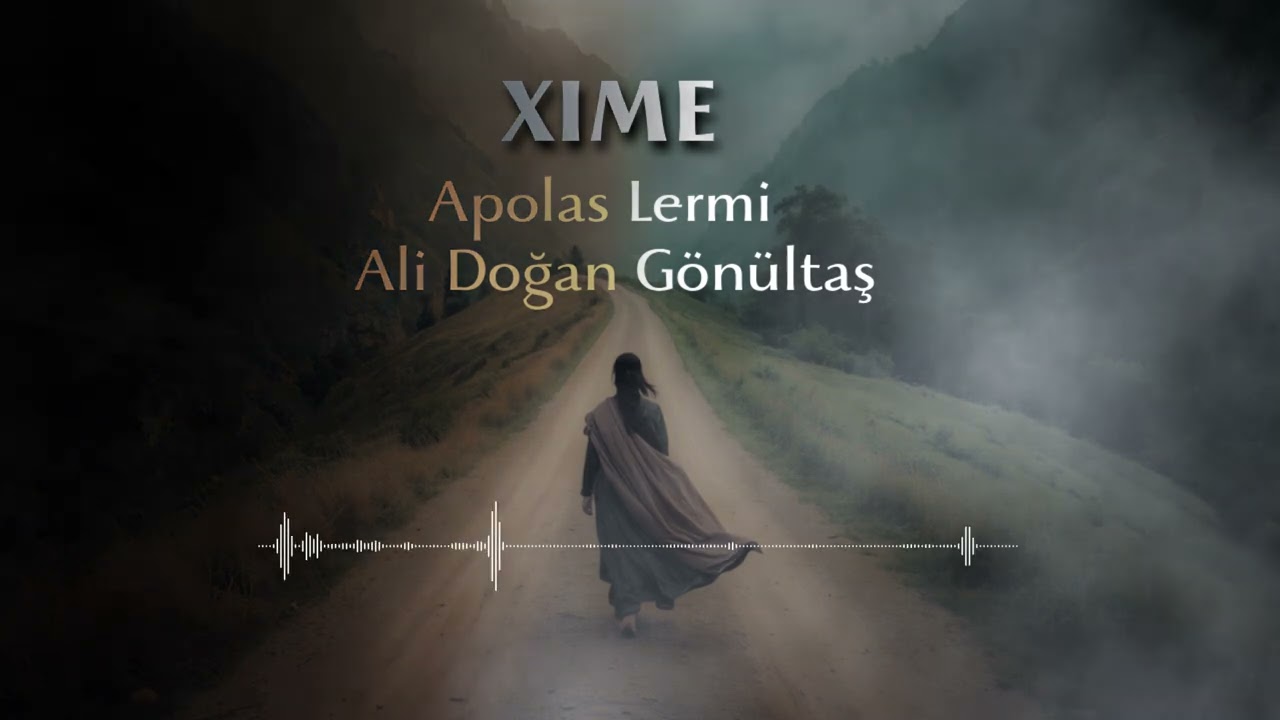
Xime - Apolas Lermi, Ali Doğan Gönültaş (Zazakî)
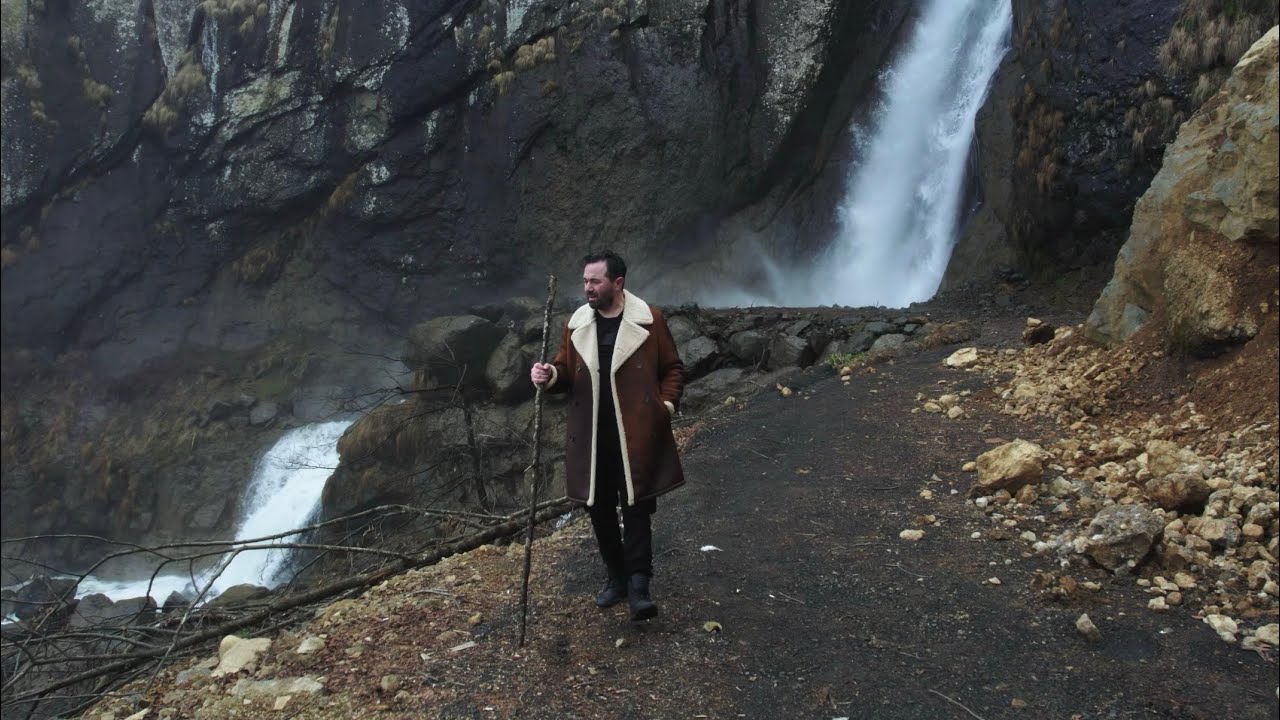
Apolas Lermi - Misafir (Hobur 2026)
Apolas Lermi - Bavul

Apolas Lermi - Kalanima Deresi

Yaşandı Bitti

Apolas Lermi - Bir Tahtadan Ev
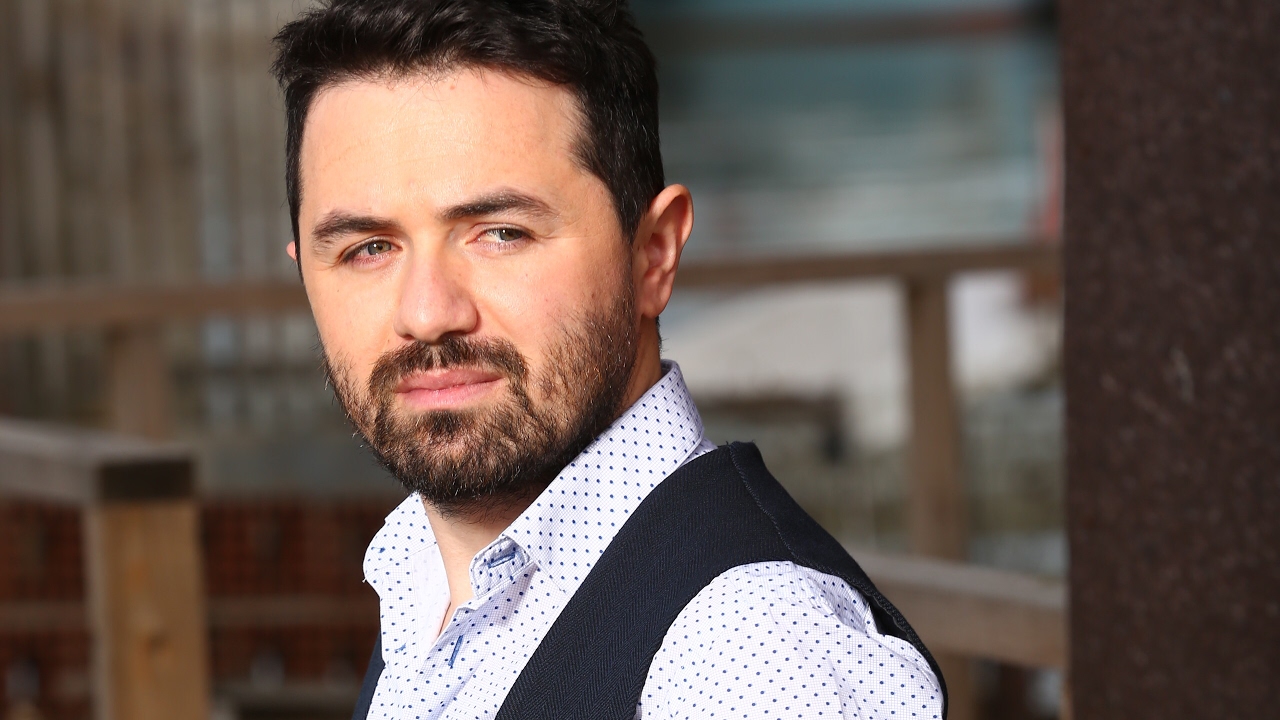
Apolas Lermi - Mektup #ApolasLermi
Apolas Lermi - Biography

Apolas Lermi is known for "Mektup," "Eski Yar," "Felek," "Yaban Eller," "Gel Göğsüme Sığ Yarim," "Bir Baktım," "Kaderim Böyle İmiş," "Beşikdüzü," "Yağmur," "Giresun Gümüşhane," "Tonton," "Karadeniz," "Memleket," "Kalanima Deresi," "Kanlı Hemşin," "Ah Almanya," "Görele Horonu," "Dünya," "Meyhane," and many other beloved works.
Apolas Lermi was born in the Tonya district of Trabzon, where he spent his childhood. At the age of 10, he migrated to Istanbul with his family, but his ties with his hometown never severed. Istanbul's cosmopolitan nature and its accommodation of people from different cultures played an important role in Apolas Lermi's musical journey. He began this journey by learning the bağlama. Subsequently, he took an interest in the classical guitar, electric guitar, and kemençe. Through his musical pursuits, he had the opportunity to collaborate with many artists from magnificent cultures, accompanying them on various stages. His musical development led him to delve into the depths of his own culture. Over time, he discovered the musical and linguistic richness of the Black Sea Region, which became a source of inspiration for his new artistic ideas.
In 2011, Apolas Lermi released his first album, "Kalandar," which included songs in the endangered Black Sea Greek (Romeika, Pontic) language. In this regard, the album represented a pioneering approach in Turkey. The term "Kalandar" refers to the first day of the local cultural calendar and is celebrated with various traditional festivities on January 13-14. The word "Kalandar" is synonymous with the terms "calendar" in English, "calendario" in Italian, "calendria" in Spanish, and "calendrier" in French.
Some of the songs on this album held an important place in Apolas Lermi's music career. They were featured in various TV series, movies, and documentaries. Every song on the album garnered great acclaim as the product of a distinct story. For instance, the music video for the song "Ağapo Se" was shot at the Sümela Monastery. This is the first music video in Turkey in the Black Sea Greek language. Another song from the album, "Seçim Zamanı," drew public attention by highlighting the environmental pollution in the Black Sea region and evolved into an environmental awareness project named "Diren Karadeniz" with the participation of 24 different artists.
Apolas Lermi continued his career with the album "Santa," released in 2013. The album takes its name from a mining town that once hosted a significant population and is currently affiliated with Gümüşhane. Many songs from the album were once again featured in various TV series and became phenomenal hits among the public. Additionally, he performed duets on the album with two artists: Giorgos Ioannidis on the song "Maçka Trigona" and Irontina Kandrali on the song "Kelebek." Both artists are descendants of the 1923 population exchange between Greece and Turkey.
In 2016, Apolas Lermi released his third album, "Romeika," consisting entirely of Black Sea Greek songs, simultaneously in Turkey and Greece. On this album, Lermi performed the song "Sorepsa Gia Tesena" alongside Pela Nikolaidou, a Greek artist of Black Sea origin. Furthermore, Vahit Tursun, the author of the world's only Black Sea Greek dictionary, made a guest appearance on the album by reciting one of his own poems, "To Xorio M'Nonizo."
In 2017, Apolas Lermi composed Trabzonspor's official 50th-anniversary anthem, which received widespread acclaim.
In 2018, Lermi released his fourth album, "Momoyer," serving as a continuation of his previous works. "Momoyer" is the name of various folk theaters and winter entertainments. Distinct from the phenomenal songs on the album, the music video for the song "Senan Kardian Apes" was shot at the historical Cape Jason (Yason Burnu) in Ordu. This region takes its name from the legendary figure Jason, who served as the captain of the Argonauts in ancient mythology. Another song from this album, "Uzungöl Şerah," sheds light on the environmental and cultural pollution occurring in Uzungöl, a famous tourist location in Trabzon. The music video for the song "Dünya" was shot on Akdamar Island in Lake Van.
Apolas Lermi later collaborated with Matthaios Tsahouridis on a series of Greek and Turkish songs. These tracks contributed to the cultural rapprochement of the Black Sea communities in Turkey, Greece, and Germany. He also recorded various songs with Babis Kemanetzidis, Christoforos Kosmidis, Dimitris Karasavvidis, and Giannis Gkosios, who are important representatives of ongoing Black Sea music in Greece.
The Zazaki piece (klam) "Hal Yamano," which Lermi performed together with Mikail Aslan, received great appreciation. This work holds the distinction of being the first Zazaki piece performed by a musician of Black Sea origin. Later, Apolas Lermi recorded another Zazaki piece titled "Laze Mı." Apolas Lermi has also collaborated with notable names such as Hüsnü Arkan, Kardeş Türküler, and Sait Uçar.
Releasing many singles during these periods, Lermi continued his signature style by releasing an album named "Hobur" in 2025. Taking care to keep his interest in ethnic music alive, Lermi renewed his artistic perspective by singing in different languages, particularly Black Sea Greek. In 2026, he collaborated with Ali Doğan Gönültaş on the Zazaki song "Xıme." Within this same year, he arranged and released the poetic song (deyiş) "Kimliğim Dünyalı Vatanım Evren," written and composed by Ozan Şahturna.
While continuing his artistic endeavors through various singles, soundtracks, duets, and performances, Lermi has made significant contributions to the promotion of Black Sea Greek in particular, alongside his popular emotional love songs, while simultaneously raising awareness about environmental issues. Due to the political atmosphere in Turkey, Lermi's efforts have been targeted, various fake news stories have been fabricated about him, and some of his concerts have been canceled. The effects of this process on his artistic life are ongoing.
Apolas Lermi continues to meet his listeners by taking the stage at various organizations in Turkey and Europe, aiming to contribute to the world's cultural heritage by collaborating with artists from different cultures. Do not forget to follow Apolas Lermi on his official social media accounts for the new works he continues to release on digital platforms.


